
Nanjing “Su Chao” League: the airborne detection terminal goes up with patrol drones
At a stadium event with 60,000 people, the terminal worked with the SWAT unit of the Nanjing Public Security Bureau on a 24-hour low-altitude watch, automatically identifying and escalating alerts for no-fly-zone intrusions and unregistered flights.
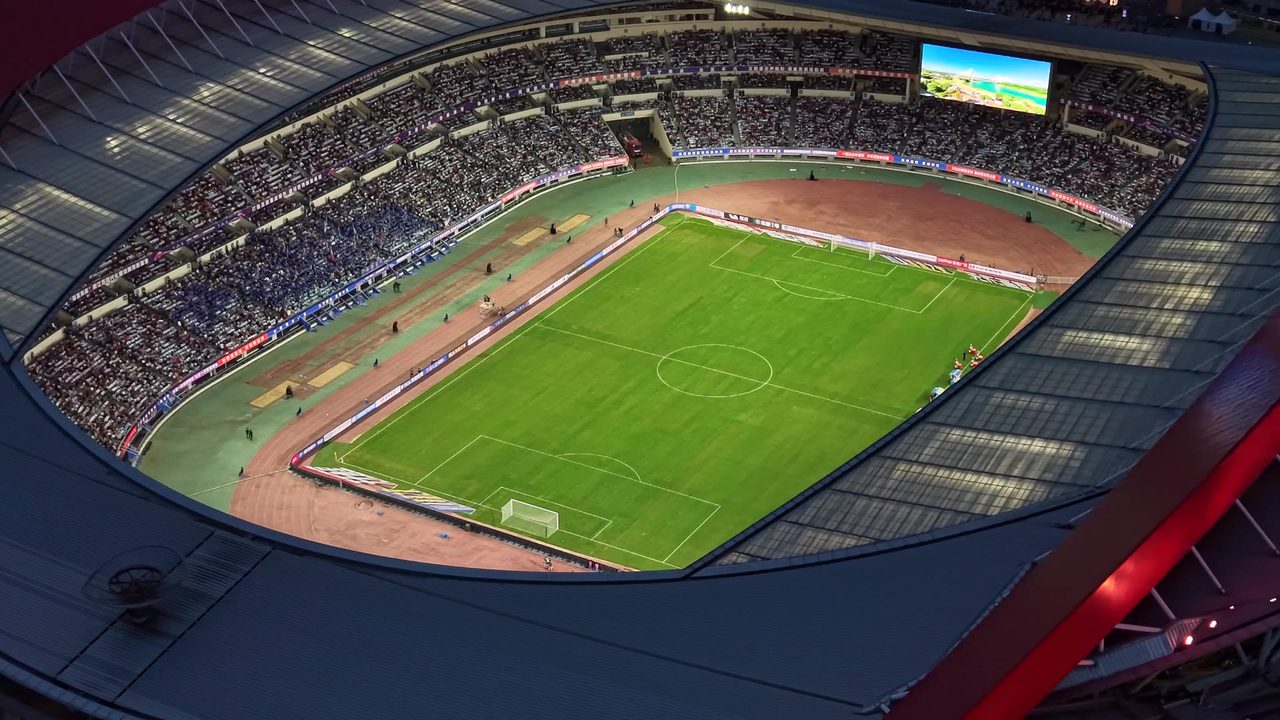
60,000 people filled the Nanjing Olympic Sports Centre for the “Su Chao” League. The airborne detection terminal goes up with patrol drones and supported the SWAT unit through a 24-hour low-altitude watch. The workload is not about duration but about dense crowds and busy airspace: spectators' consumer drones, camera drones and temporary flights nearby all share the same block of sky.
Where the detection terminal's ability ends
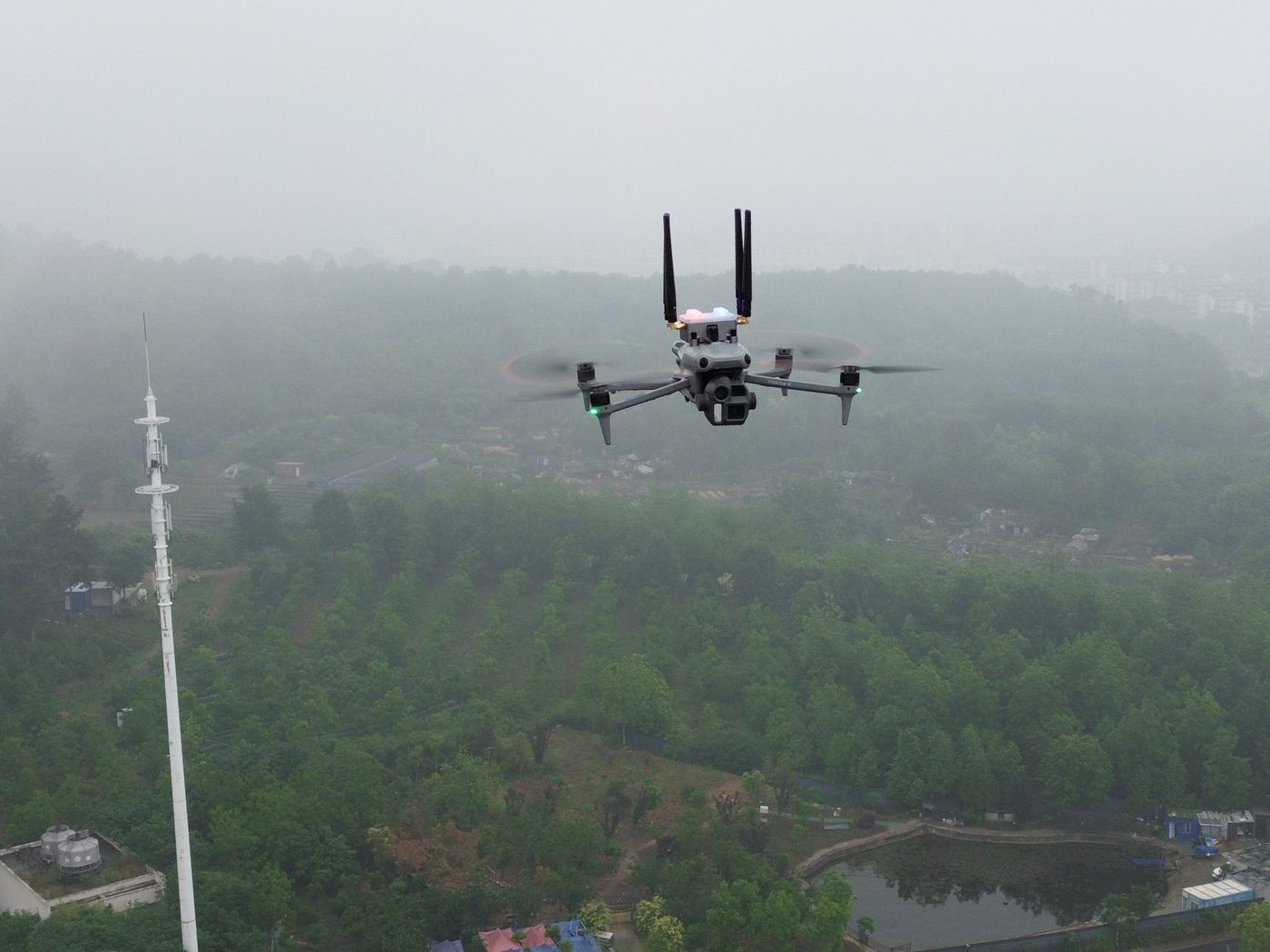
The terminal works on tri-band RID / AIS / ADS-B detection, weighs under 350 g, is IP67 rated, runs continuously from -40 to +85 degrees Celsius, tracks at least 50 targets at once and can act as an airborne node for multi-station cooperative positioning.
Automatic identification and graded alerts
Automatically identifies and escalates alerts for no-fly-zone intrusions and unregistered flights; alerts, tracks and response records are archived together so the whole airspace picture can be reviewed after the event.
The real difficulty in low-altitude control at a big event is deciding whether to act, not whether anything was detected — a large number of compliant flights is identified every day. Alerts are therefore graded, separating clear intrusions from suspicious targets so commanders decide by level whether to send ground units.
How 24-hour coverage is organised
Standing watch does not mean flying all the time. Airspace activity at the event has clear peaks: gates opening and the crowd leaving, with a quiet spell at half time. Routes are scheduled as routine patrols plus denser coverage at peaks, with the fleet rotating so a detection node is always airborne instead of leaning on one aircraft's endurance.
When several aircraft are up at once the terminal positions by station cooperation and merges the tracks of one target seen from several drones into a single path — otherwise the same offending aircraft counts as several in the system. The data link runs over both E-Port and 5G, so the on-scene commander sees one target list rather than separate screens from several devices.
- RID / AIS / ADS-B tri-band detection: ≥ 1 km for consumer-grade targets, ≥ 3 km for enterprise-grade
- Under 350 g and ≤ 10 W, so long watches do not eat into the aircraft's remaining payload capacity
- IP67 rated, operating temperature -40℃ to +85℃, handling summer heat and sudden rain at an open-air stadium
This deployment
- 60,000 people on site
- 24-hour low-altitude watch
- Detection bands RID / AIS / ADS-B
- Automatic identification and graded alerts for violations